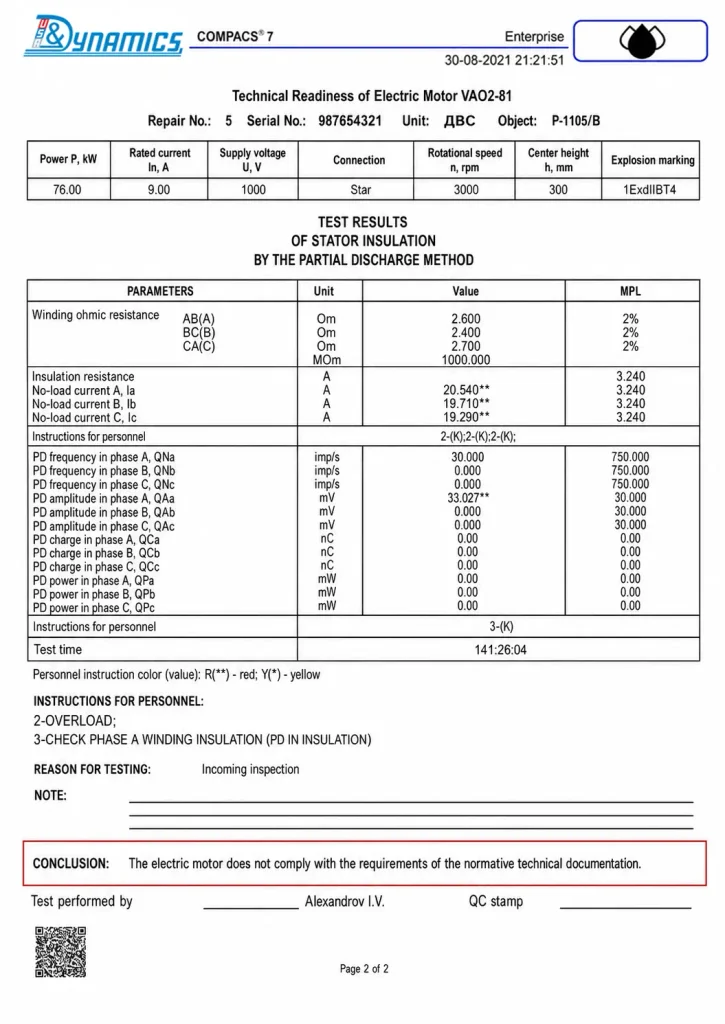
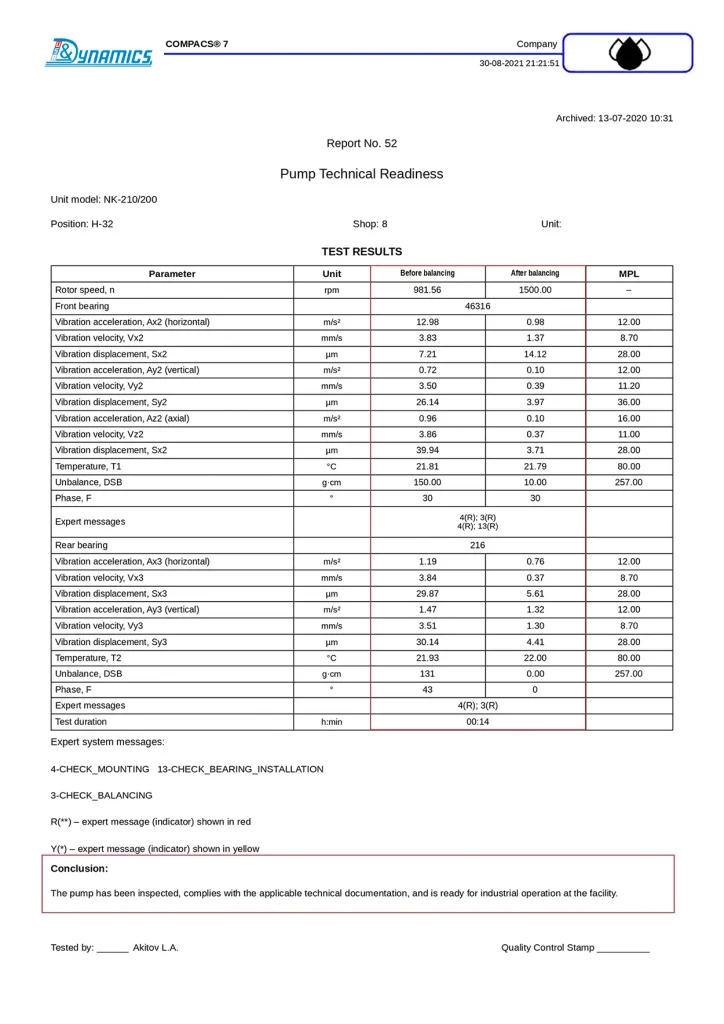
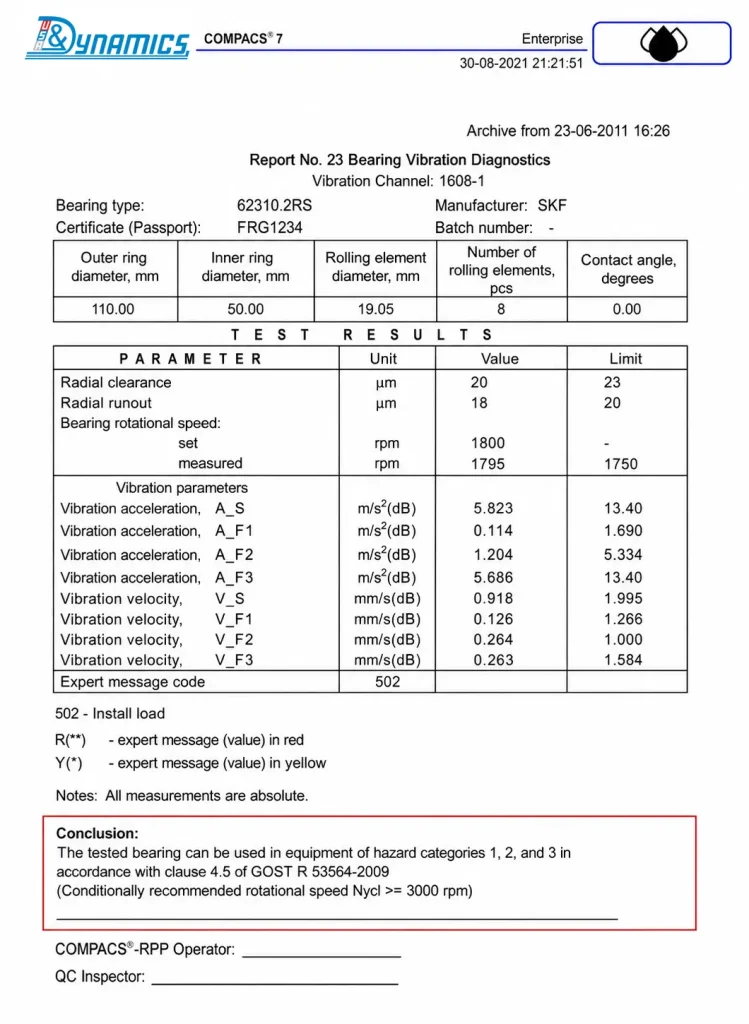
In oil and gas, petrochemical, mining, and other industries’ operations, every hour of uptime is critical. Traditional maintenance strategies, which rely on scheduled overhauls, often lead to either overspending on parts and labor or unexpected breakdowns that cause downtime. Condition-based maintenance (CBM) changes this by using real-time data to determine the optimal time for maintenance, based on the actual condition of equipment, rather than relying on guesswork.
This article explains how CBM works, why it’s becoming the new standard in industrial environments, and how monitoring systems like COMPACS make it practical and profitable for both engineers and decision-makers.
What Is Condition-Based Maintenance?
Condition-based maintenance is a strategy that involves monitoring the real-time condition of equipment to identify the precise moment when maintenance is needed. Condition monitoring systems use sensors to measure vibration, temperature, pressure, and other parameters, then use software analytics to detect early signs of defects, wear, or malfunction.
Unlike time-based maintenance, where assets are overhauled at fixed intervals regardless of need, CBM ensures that equipment is only serviced when there is evidence of degradation. This results in a longer asset lifespan, fewer breakdowns, and more intelligent resource allocation.
Why CBM Makes Business Sense
CBM isn’t just a technical improvement, it delivers direct financial benefits that are especially relevant for oil and gas companies:
Reduced Unplanned Downtime
CBM enables teams to detect early signs of defects before failure occurs. By responding to these signals, operators can prevent unplanned downtime that could disrupt production and result in revenue loss.
Lower Maintenance Costs
When you stop replacing parts that are still in good working condition, costs decrease. A condition-based maintenance system enables more efficient planning, fewer unnecessary overhauls, and a smaller spare parts inventory.
Extended Equipment Lifespan
By detecting faults early and avoiding excessive maintenance, CBM prolongs the lifespan of rotating and static equipment — from pumps and compressors to pressure vessels, coke drums, and pipelines.
Enhanced Asset Performance, Transparency, and Visibility
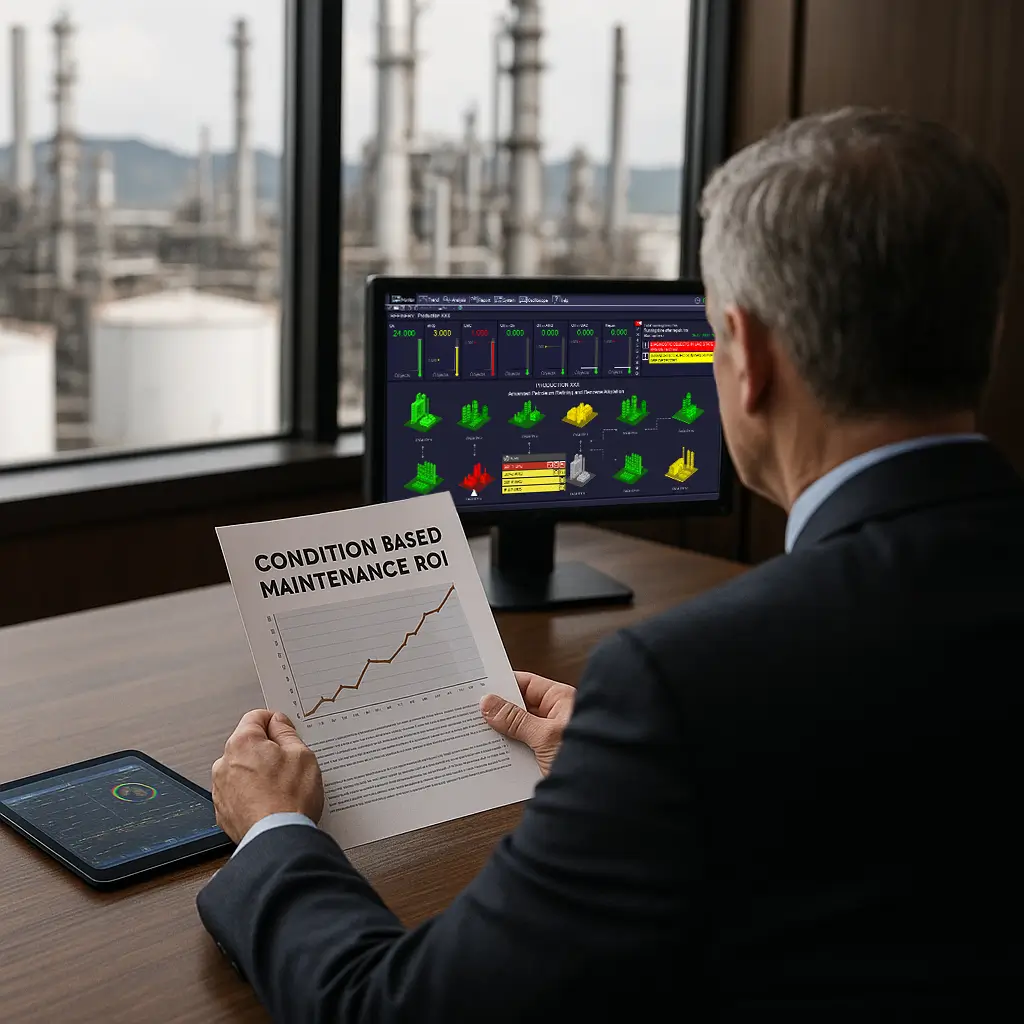
With real-time data and visual dashboards, engineers and managers can easily see the technical state of their equipment at a glance. This supports faster decisions and reduces dependence on manual inspections.
Optimized Resource Allocation
Technicians focus on machines that show real signs of wear, not just those that are due for scheduled maintenance. This enhances workforce efficiency and guarantees better coverage of critical assets.
CBM in Practice: What’s Needed
To implement CBM, companies utilize condition monitoring systems – a combination of hardware and software that continually monitors equipment health. These systems usually consist of:
- Sensors for parameters such as vibration, temperature, pressure, acoustic emission, etc.
- Monitoring hardware to collect and transmit data.
- Condition-based maintenance software that analyzes and interprets the data.
- Interfaces or dashboards that show precise diagnostics and alerts.
- Modern CM systems also use trend analysis, AI diagnostics, and historical data tracking to predict how faults may evolve and when action is needed.
More advanced systems may also include actionable prescriptions on what to do and when to do it to prevent failure.
From Monitoring to Condition-Based Maintenance
While many companies attempt to implement CBM by installing vibration monitoring tools or protection systems, these are often limited. Protection systems trigger alarms only after a threshold is crossed, when damage is already happening. Portable tools require manual inspections, which can miss problems that develop quickly.
The COMPACS® system solves these limitations through fully automated, real-time diagnostics. Here’s how it works:
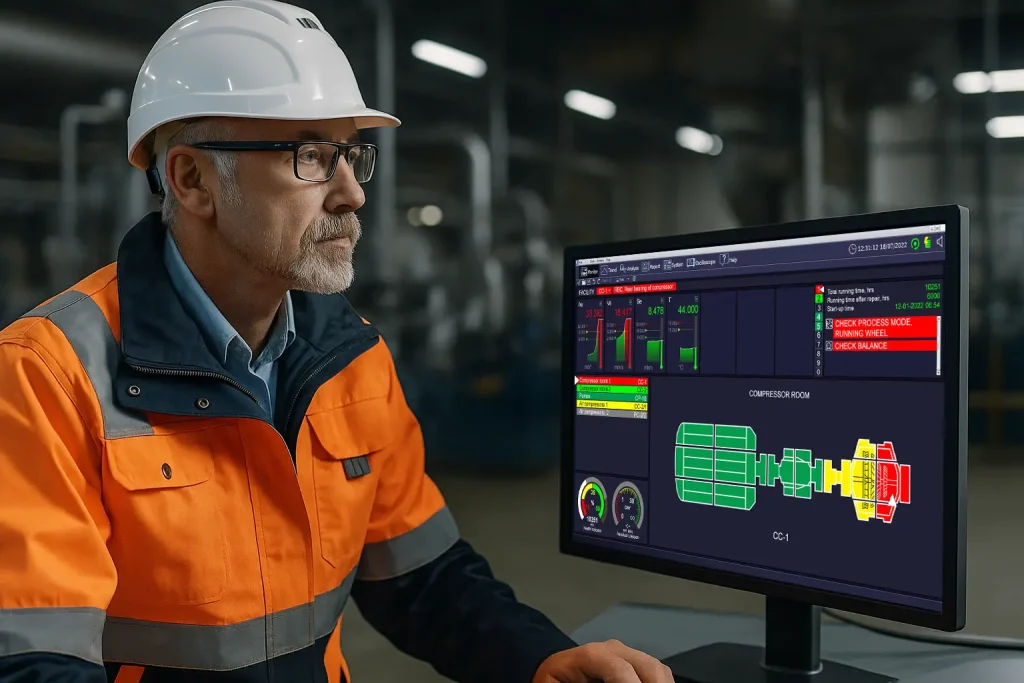
Continuous Monitoring, Not Periodic Checks
The COMPACS® system employs a network of permanently installed sensors to monitor all unit equipment, not just select machines. Data is processed and recorded in real time, 24/7.
Prescriptions and Smart Advice
The system doesn’t just display raw data. It provides clear, actionable instructions like “CHECK REAR BEARING,” enabling even non-experts to act quickly. Additionally, the system features a built-in Smart Advice function that offers a detailed list of actions to take when a specific defect is identified in a particular piece of equipment.
Built-In Diagnostics
The real-time diagnostic COMPACS® system incorporates advanced algorithms and pattern recognition (physics-based AI) to detect the root causes of problems. It can distinguish between imbalance, looseness, bearing faults, hydraulic issues, and other emerging defects, all without human signal interpretation.
Scalable and Cost-Effective
Unlike traditional systems that are expensive and only serve a few high-value assets, the COMPACS® system is affordable enough to monitor both rotating and static equipment throughout the entire plant.
Integration-Ready
The system seamlessly integrates with maintenance planning tools, ERP systems, and SCADA platforms. It offers a unified view of equipment health, maintenance history, and risk levels.
Explore All The COMPACS® System Solutions
Discover how real-time monitoring with precise AI-prescriptions transforms equipment maintenance in oil, gas, petrochemical, and other plants.
Comparison of Monitoring Systems in Oil & Gas
| Feature / Capability | Protection System | Vibration Monitoring System | The COMPACS® System |
|---|---|---|---|
| Purpose | Emergency shutdown only | Condition monitoring, delayed diagnostics | Real-time diagnostics & predictive maintenance |
| Response Type | Reactive – acts only after threshold reached | Manual interpretation, often delayed | Automated, proactive with real-time prescriptions |
| Monitoring Frequency | Continuous | Periodic or continuous | Continuous, real-time |
| Scope of Monitoring | Limited to critical thresholds | Mostly rotating equipment | All types of rotating & static equipment |
| User Involvement | None (alarm only) | Requires trained analysts or remote processing | Automated diagnostics, operator-friendly, no experts needed on site |
| Diagnosis Depth | None | Raw data & trend graphs | Specific fault identification and root cause |
| Output Format | Alarm / Trip | Graphs / Data export | Text prescriptions + color indicators + voice |
| False Alarms / Nuisance Trips | Frequent during transients | Depends on setup | Eliminated via adaptive algorithms |
| Integration with Maintenance Planning | None | Partial (manual data handling) | Full: logs, planning, automatic work orders |
| Operational Decision Support | None | Requires specialist interpretation | Real-time, step-by-step instructions |
| Scalability | Low, expensive per asset | Moderate, expensive per sensor & license | Scalable to entire plant, cost-efficient |
| Support for Condition-Based Maintenance | None | Partially (remote analysis) | Fully supported and automated |
| Installation Scope | Only on most critical assets | Select rotating assets | Plant-wide: rotating + static + auxiliary units |
| Maintenance Cost Impact | None | Medium (with paid diagnostics) | High savings via early detection and targeted maintenance |
| Self-Diagnostics of System | None | Unclear or absent | Built-in, automatic |
| Security & Data Transfer | Local only | GSM/Internet-based, unclear security | Secure, local or encrypted transmission |
| Typical Use Case | Trip protection for turbines, compressors | Condition trending of pumps, motors | Full reliability management of entire facility |
Real Results: Condition-Based Maintenance That Prevents Failures
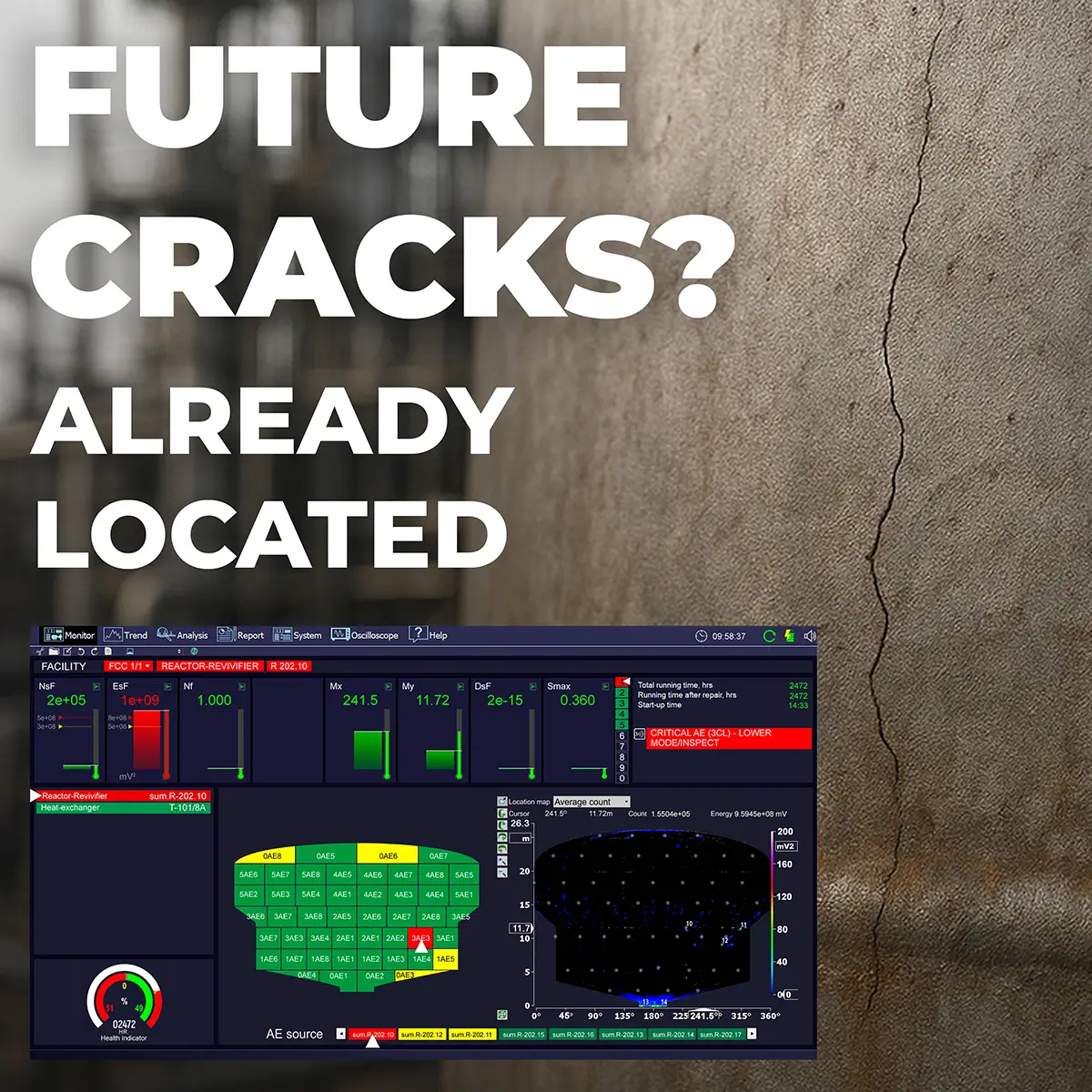
In an oil refinery, the COMPACS® system was installed on a critical reactor vessel. Within days, the system detected acoustic activity and abnormal stress patterns. Further investigation confirmed early signs of internal damage. Thanks to the early warning, the plant adjusted its process mode, scheduled a repair during planned downtime, and avoided a catastrophic failure.
Instead of shutting down production, the plant continued to operate safely until a replacement was available. After installing the new reactor, the COMPACS® system was transferred to the new unit, continuing to monitor and safeguard operations. This reactor monitoring case study demonstrates how CBM, driven by real-time diagnostics, helps organizations shift from reactive to predictive strategies.
From Scheduled Repairs to Smart Decisions
Switching from scheduled to condition-based maintenance is more than just installing sensors. It’s a change in how decisions are made. With the right tools, companies no longer depend on guesswork or historical failure data. They use real-time diagnostics, manage risks proactively, and cut overall maintenance costs.
Equipment monitoring systems enable this shift by turning complex diagnostic data into clear actions, providing transparency across teams, and protecting both production and people.
Let’s Talk. Book a Strategy Session Now
Switch your plant to condition-based maintenance, reduce maintenance costs, increase uptime, and boost ROI.
Condition-Based Maintenance: A Smart Move for the Future
Oil and gas, petrochemical, and mining companies face growing pressure to reduce costs, enhance safety, and ensure asset reliability. Condition-based maintenance, supported by intelligent systems like COMPACS®, provides a clear path forward.
It enables:
- Higher equipment availability
- Lower maintenance and inspection costs
- Safer operations and better compliance
- Better use of technical staff and budgets
For decision-makers, CBM is a strategic investment in uptime, efficiency, and long-term performance. For engineers and supervisors, it provides better visibility, faster responses, and increased confidence in their equipment.
The future of maintenance is condition-based. And the future starts now.
Ready to Reduce Downtime and Maintenance Costs by 6-8 Times?
Book a Meeting Now
Explore Our Case Studies
Coke Drum Monitoring Case Study: Preventing Fire and Explosion
05/02/2025
Introduction: Delayed Coker Units Under Pressure Delayed coker units are the heart of heavy oil upgrading operations in refineries across...
Read More
The COMPACS® System in Action: The Bottleneck's Eliminating Case
06/21/2024
We will present bottlenecks eliminating case study on how to remove bottlenecks. Here, you see two trends of different vibration...
Read More
Case Study: Preventing Cavitation Damage
03/07/2025
The Hidden Threat: Cavitation in Petrochemical Plants Every petrochemical plant faces the invisible threat of cavitation, a destructive force capable...
Read More