Crucial Components Of The Equipment Monitoring System
The system ought to measure proper parameters with proper frequency to identify defects at their emergence. Moreover, it has to transform complex technical data into easy-to-use information and deliver it to decision-makers. The real-time diagnostic COMPACS® system for rotating and static equipment provides timely, accurate prescriptions. Thus, by utilizing the system operators, the reliability and maintenance team always knows what should be done to prevent failure.
Cost Effective Hardware
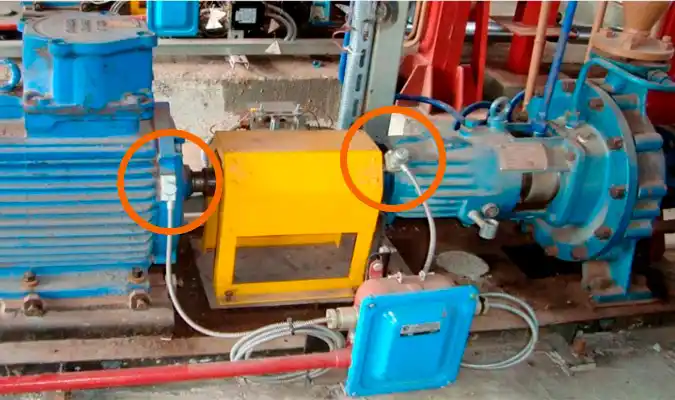
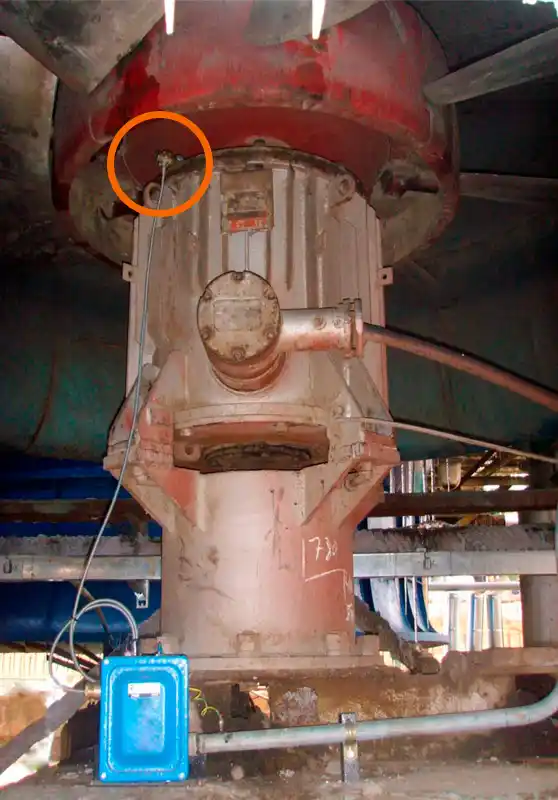
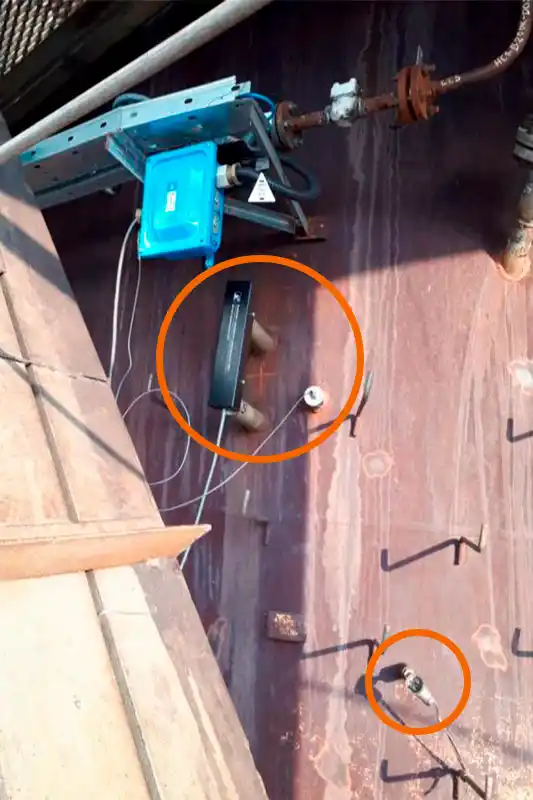
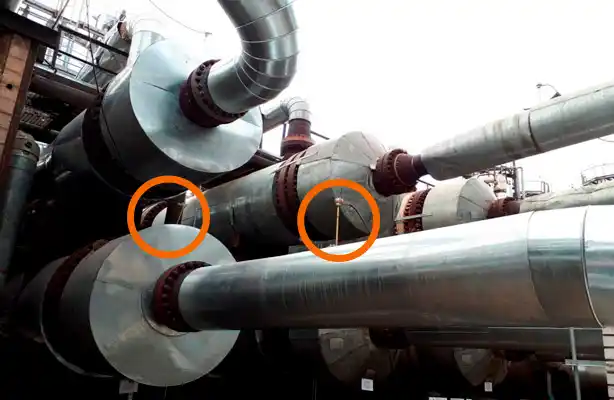
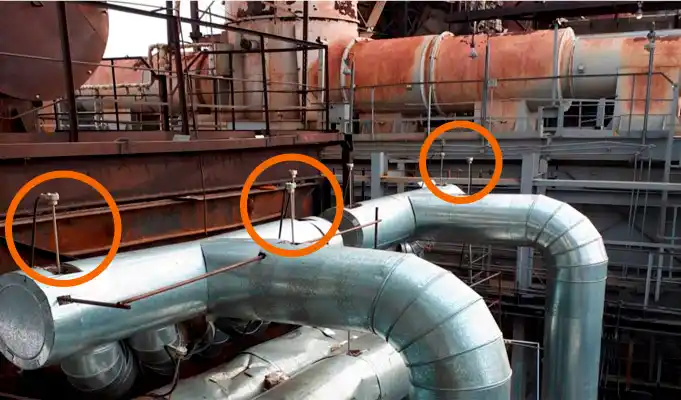
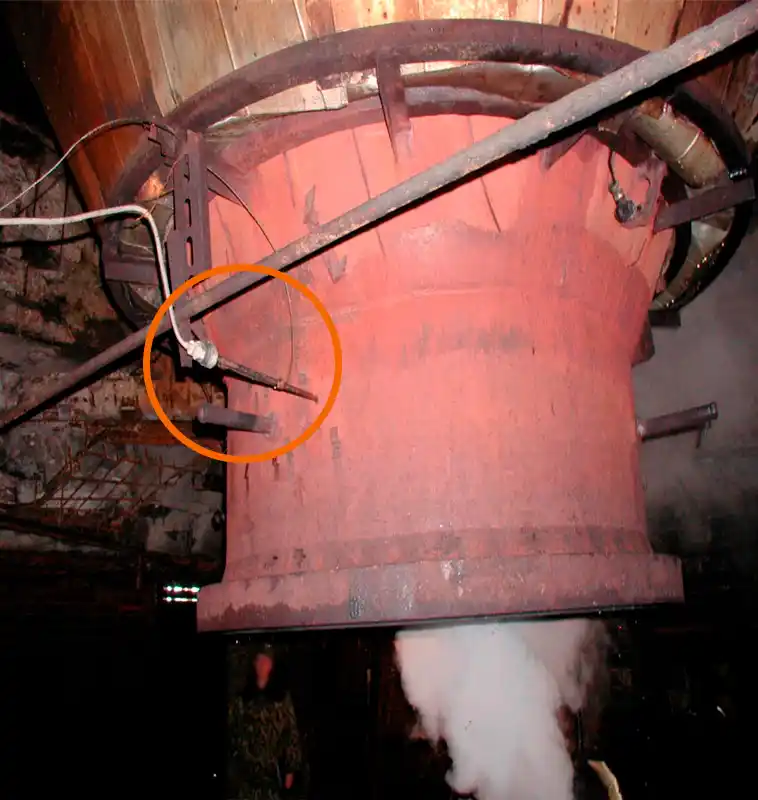
First, the hardware infrastructure that processes signals using the SCADA-type field bus transfers the measured parameters and analog signals from sensors installed on the machinery to the diagnostic station located in the control room. Nowadays, it is the most cost-effective technology for the reliable gathering of analog signals with high resolution. We would like to emphasize that, for early diagnostics, it is necessary to analyze the analog signal with a wide bandwidth because it includes all the necessary information about the technical state of the equipment.
1


Physics-Based AI
Another important component is the physics-based artificial intelligence that detects most of the failures of rotating equipment. The embedded AI also detects cracks along with process mode violations, leaks, and contaminations of static equipment. Physics-based AI utilizes scientifically proven knowledge of the degradation of various nodes of different kinds of equipment. If the system identifies patterns of features associated with a certain class of defects and malfunctions, artificial intelligence selects the algorithm and determines the fault and its degradation stage using a pre-configured library of thresholds. Due to an ability to diagnose destructive forces that inevitably emerge in operation, our innovative solution ensures the elimination of sudden equipment failures at a processing facility. Physics-based AI detects most defects with an accuracy of 97% and above, which allows for reducing the failure risk by 100-fold while boosting the efficiency of operation by increasing the availability by up to 99% and reducing the maintenance costs by six or, in some cases, even eight times.
2


Easy – To – Use Software
The third prominent component of the system is its software platform. The COMPACS® software puts all decision-makers on the same page by displaying the health of all pieces of equipment at the unit at a glance in real time and in an easy-to-understand form. It shows operators, maintenance, and managers what should be done to recover the equipment’s state.
3


Three Crucial Components: The Real-Time State Monitoring
No accidents, fires, and breakdowns due to sudden machinery failures
Longest possible uptime without increasing the risk of machinery breakdown
Shortest possible planned shutdown because of accurate information on what problems have to be solved
Reasonable maintenance cost through objective information on maintenance needs and quality
 Physics Based AI
The real-time diagnostic COMPACS® system identifies almost all defects in rotating and fixed equipment at their emergence with an accuracy of 97 – 99%
Physics Based AI
The real-time diagnostic COMPACS® system identifies almost all defects in rotating and fixed equipment at their emergence with an accuracy of 97 – 99%
 Crucial Components Of The COMPACS® System
The real-time diagnostic COMPACS® system comprises own cutting-edge hardware, physics-based artificial intelligence, and user-friendly software
Crucial Components Of The COMPACS® System
The real-time diagnostic COMPACS® system comprises own cutting-edge hardware, physics-based artificial intelligence, and user-friendly software
 True Safety And Reliability
Affordable price, tailor-made engineering, and turn-key installation allow to equip with the system each and every piece of rotating equipment and all critical static equipment at the facility
True Safety And Reliability
Affordable price, tailor-made engineering, and turn-key installation allow to equip with the system each and every piece of rotating equipment and all critical static equipment at the facility
 No More Sudden Failures
Armed with unbiased, accurate and timely information operators and maintenance team
jointly eliminates sudden equipment failures, and provide safe resource-saving operation and maintenance of machinery
No More Sudden Failures
Armed with unbiased, accurate and timely information operators and maintenance team
jointly eliminates sudden equipment failures, and provide safe resource-saving operation and maintenance of machinery
 Three Steps To The Paramount Reliability
Substantial contribution to reliability from operators and high quality, timeliness, and responsiveness of the maintenance team allows to eliminate root-causes of equipment failures and bottlenecks that limit the facility’s operation.
Three Steps To The Paramount Reliability
Substantial contribution to reliability from operators and high quality, timeliness, and responsiveness of the maintenance team allows to eliminate root-causes of equipment failures and bottlenecks that limit the facility’s operation.